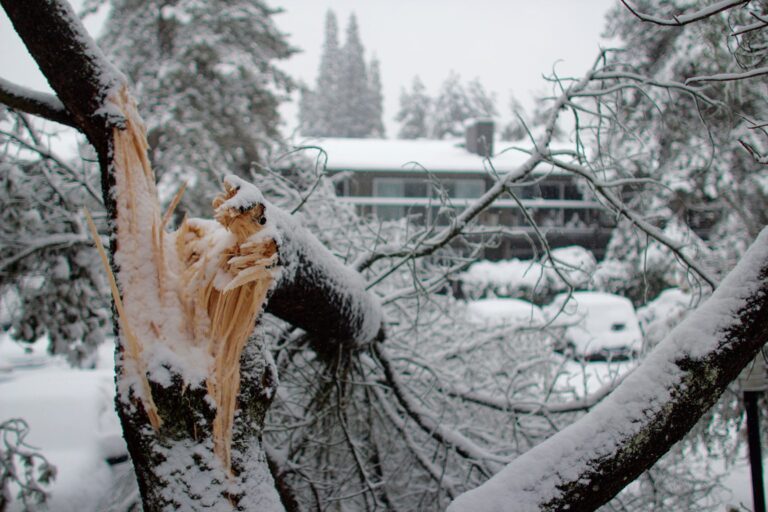
Winter is when small tree defects become big problems. Frozen ground can reduce root flexibility, gusty winds test weak unions, and snow or ice load adds weight that branches were never meant to carry. In Hunterdon County and across New Jersey, a single overnight event can turn a “healthy-looking” tree into a hazard—especially near driveways, roofs, vehicles, and power lines. A practical winter risk check helps homeowners reduce the odds of sudden branch failure and expensive cleanup.
Why winter exposes problems you didn’t notice in summer
In the growing season, leaves hide structural issues. In winter, you can actually see what you own. Bare canopies reveal crossing limbs, tight branch unions, hanging deadwood, and lean that may have developed slowly over time.
Winter weather also adds stress in unique ways:
- Snow load: Wet, heavy snow can bend branches past their elastic limit.
- Ice accumulation: Ice adds weight and changes the wind profile of the canopy.
- Wind events: Cold fronts often bring strong gusts that target weak attachment points.
- Freeze-thaw cycles: Repeated freezing and thawing can expand cracks in already compromised wood.
A homeowner’s winter checklist: quick observations that matter
You do not need to be an arborist to notice warning signs. Walk your property and look for these high-value indicators:
- Dead branches (especially over targets): Deadwood is brittle and more likely to snap under load.
- Cracks or splits: Look where major limbs join the trunk, and along long horizontal branches.
- “V-shaped” unions: Tight unions often have included bark, which weakens the attachment over time.
- Mushrooms or fungal growth at the base: This can indicate internal decay or root issues.
- Heaving soil or new gaps near the trunk: These can be signs of root plate movement.
- Recent changes in lean: A tree that suddenly leans more than it used to deserves attention.
If any of these show up near a house, a parked vehicle, a play area, or service lines, the priority rises quickly.
What you can do now: reduce risk without over-pruning
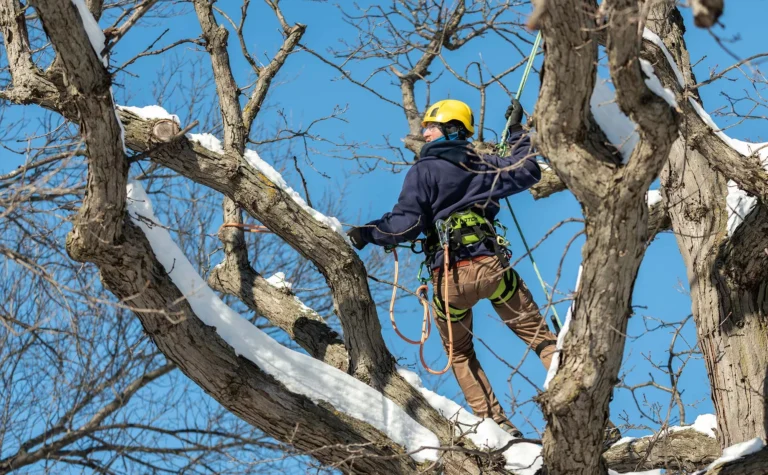
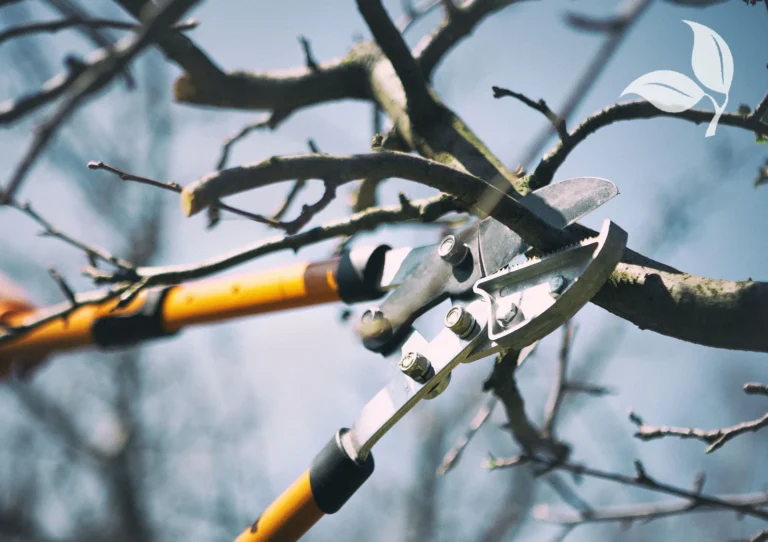
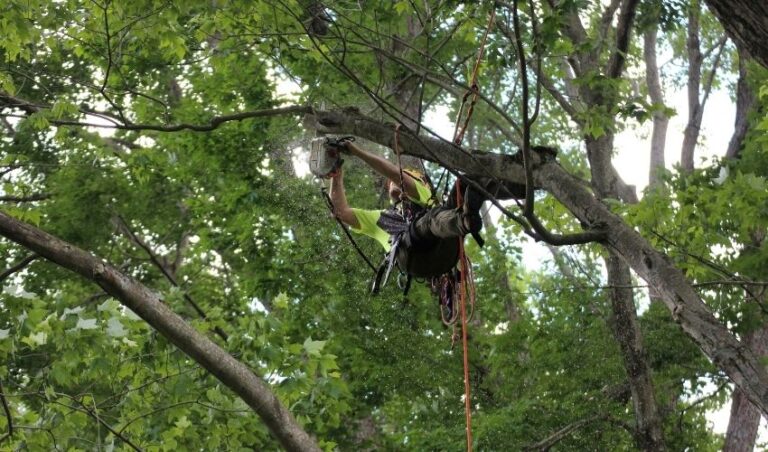
Winter is often a good time for targeted pruning because the structure is visible and many pests are less active. The goal is not to “thin everything out.” The goal is to remove the parts most likely to fail and to correct obvious structural issues when feasible.
High-impact winter actions typically include:
- Removing dead, broken, and hanging limbs
- Reducing end-weight on long lateral branches when appropriate
- Addressing obvious weak unions in a risk-based way
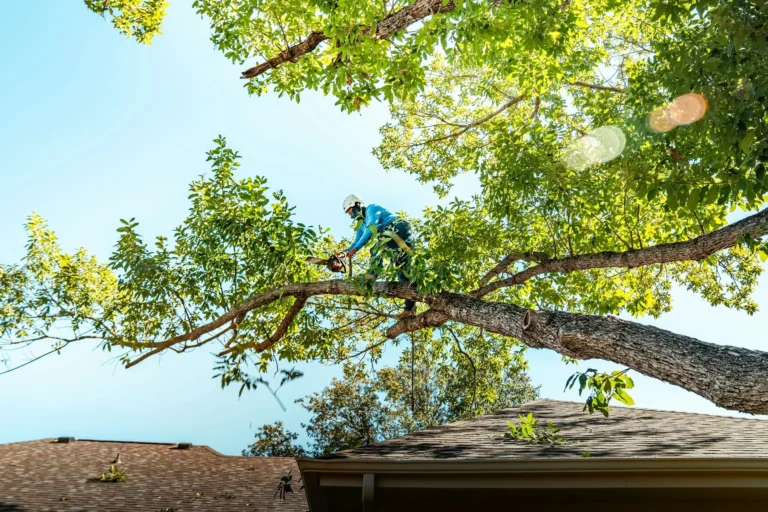
- Clearing branches that threaten roofs, chimneys, and service drops
Be cautious with large cuts or aggressive canopy removal. Poor pruning can create new problems by shifting load, triggering decay, or stressing the tree.
When a professional assessment is warranted
If you see major cracks, significant lean, root disturbance, or large limbs over high-value targets, it’s time for a professional evaluation. A qualified tree service can identify structural weaknesses, determine whether pruning is enough, and recommend removal when risk is unacceptable.
Winter risk isn’t about fear—it’s about prevention. The best time to deal with a hazardous limb is before it comes down during the one storm you couldn’t plan for. A short winter inspection and selective pruning can save you from emergency calls, property damage, and avoidable disruption.