If you only do one “tree task” each year, spring should be it. The reason is simple: spring tree care combines visibility (winter damage is easier to spot before full leaf-out) with timing (you can correct issues before the growing season and before summer storms). That makes it the best season to protect your home, your yard, and the trees you want to keep long-term.
Phase 1: Cleanup and hazard removal
Start with what’s unsafe:
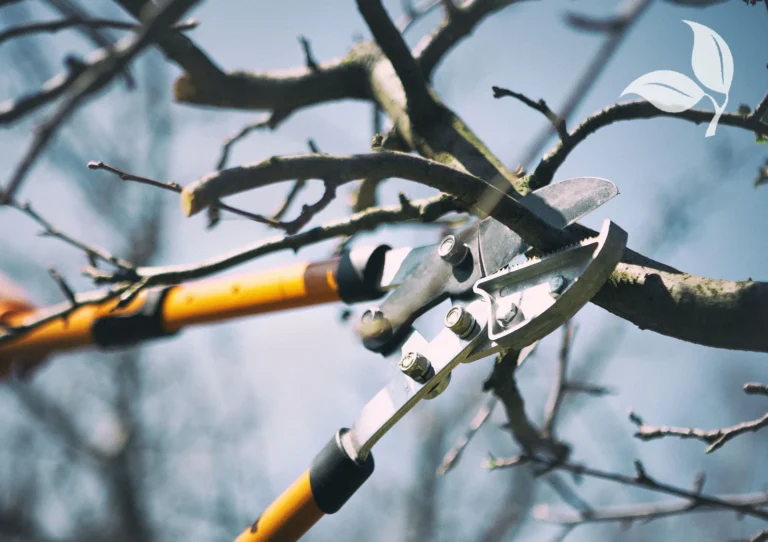
- dead limbs that didn’t survive winter
- branches hanging over high-traffic areas
- limbs contacting roofs, gutters, or siding
- damaged trees that may have shifted in winter wind
Removing hazards early prevents “random” spring branch drops—especially on windy days or during heavy rain.
Phase 2: Structural improvement pruning
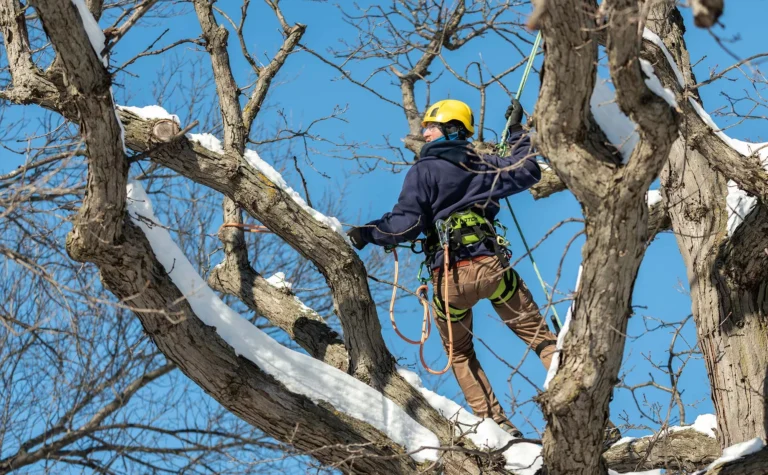
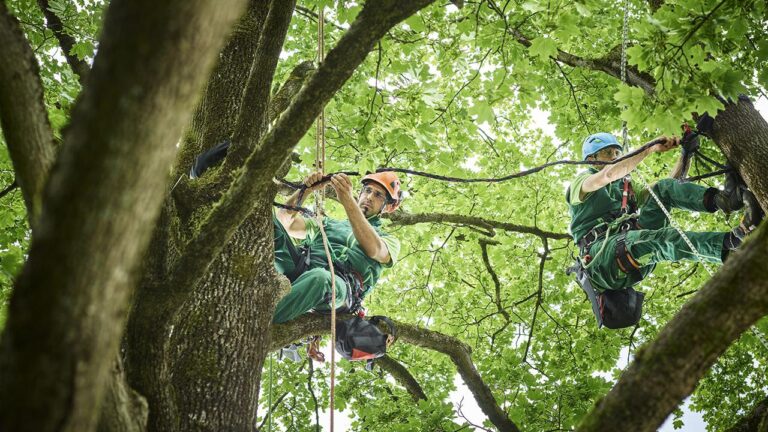
This is where professional pruning pays for itself. The objective isn’t to make a tree look thin; it’s to improve structure and reduce failure likelihood.
Structural pruning often includes:
- reducing end weight on long limbs
- removing competing leaders
- improving canopy balance
- preventing limb-to-limb rubbing that leads to decay
Done correctly, it extends tree life and reduces storm vulnerability.
Phase 3: Planting and growth planning
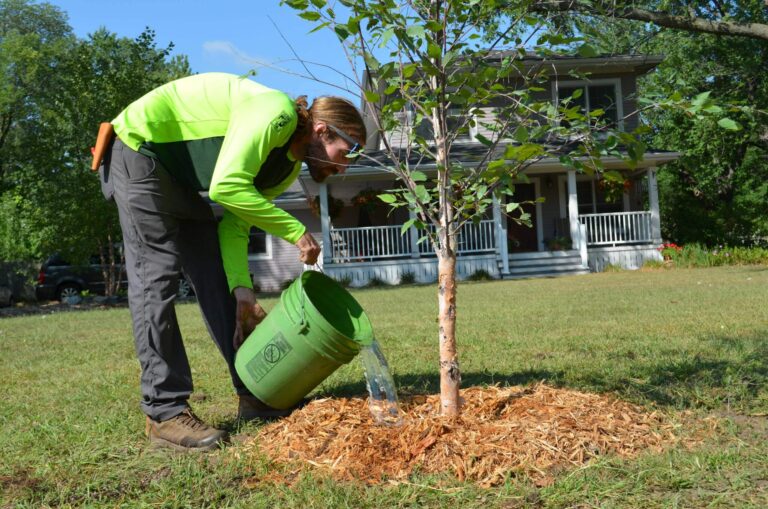
Spring planting is popular, but placement matters. Trees planted too close to structures, fences, or lines become future removal problems.
Planning considerations:
- mature size (not sapling size)
- distance from roofs and driveways
- proximity to utility lines and septic fields
- soil drainage and sun exposure
Thoughtful planting now prevents expensive corrections later.
Phase 4: Prepare for pests and disease season
As temperatures rise, insects and fungal issues become more active. A tree already stressed from winter damage is more vulnerable.
General prevention:
- reduce stress through proper mulching and watering
- avoid trunk damage from mowers and string trimmers
- keep trees structurally sound so they can allocate energy to growth, not wound response
Spring is the best time to get ahead
When tree work is proactive, it’s safer, more predictable, and typically more cost-effective. You’re not just “cleaning up the yard”—you’re setting the property up for a calmer, safer summer.