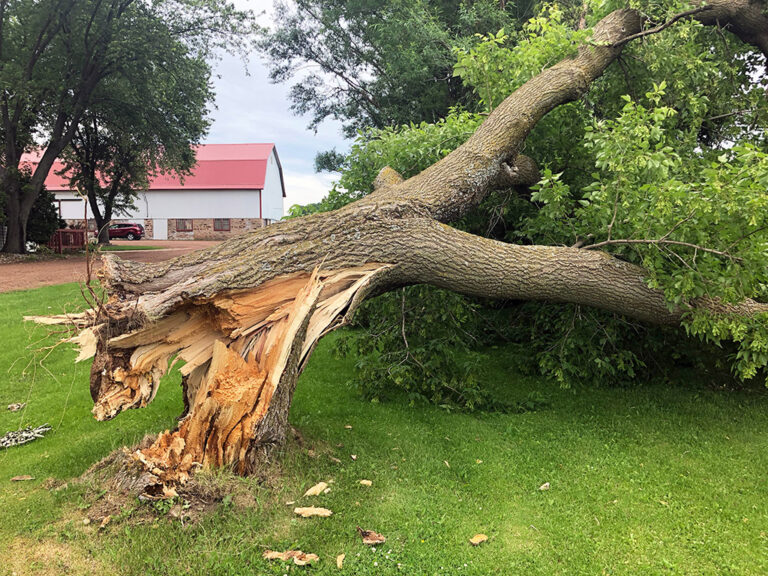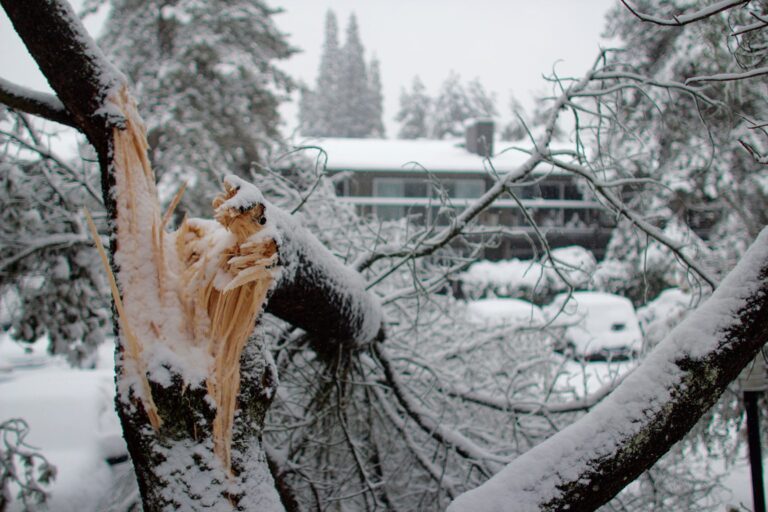
Heavy snow, freezing rain, and high winds can turn healthy-looking trees into serious hazards in a matter of hours. In Hunterdon County, winter storms frequently bring the type of load and gust conditions that snap limbs, split trunks, and topple compromised trees—often onto driveways, roofs, utility lines, and vehicles. The most cost-effective time to address that risk is before the storm arrives.
Why winter storms cause unique tree failures
Summer storms tend to break trees with wind and saturated soil. Winter storms add weight. Ice accumulation can dramatically increase limb load, and wet snow clings to branching structure. Trees with poor structure, hidden decay, or past damage are the most likely to fail first.
Common winter failure patterns include:
- Co-dominant stems that split under load (two main trunks forming a weak union)
- Overextended limbs with heavy end weight
- Deadwood that snaps without warning
- Previously damaged trees that never fully recovered from earlier storms
Pre-storm pruning: focus on structure and clearance
Selective, professional pruning can reduce wind sail, remove risky deadwood, and lighten end weight on long limbs. The goal is not to “thin out” a tree aggressively; it’s to reduce the specific stress points that lead to breakage.
High-priority pruning targets:
- Dead, cracked, or hanging limbs
- Limbs overhanging roofs, driveways, walkways, and play areas
- Branches rubbing each other (creates wounds and future decay)
- Heavy limbs extending far beyond the canopy’s balanced structure
For properties with multiple mature trees, a risk-based approach is most effective: address the trees that can hit something first, then work outward.
Tree risk assessment: look beyond the canopy
Many failures start at the trunk or root zone. Winter is a good time to evaluate structure because leaves are off the trees and defects can be easier to spot.
Key indicators to have assessed:
- Visible cracks in trunk or major unions
- Mushrooms or fungal growth at the base (possible decay)
- Cavities, significant old wounds, or hollow-sounding areas
- Soil heaving or changes in tree lean
- Previous storm damage that was never professionally corrected
If a tree is close to a structure or power service line, the margin for error is small. A proactive assessment helps you avoid emergency removals when conditions are dangerous.
Cabling and bracing: the right tool for certain trees
Not every compromised structure requires removal. Some trees with valuable canopy and manageable defects may be candidates for support systems such as cabling or bracing. These systems don’t “storm-proof” a tree, but they can reduce the likelihood of failure in common load scenarios.
Support is most appropriate when:
- A tree has co-dominant stems with a history of movement
- A high-value tree has structural concerns but adequate overall health
- The risk can be mitigated to an acceptable level with proper installation and periodic inspection
What to do during and immediately after a storm
During a storm, treat trees like live infrastructure. Avoid standing under loaded limbs or near trees that are visibly bending or cracking. After the storm, the biggest mistakes are rushing cleanup and using ladders or saws under tensioned limbs.
Post-storm safety rules that matter:
- Stay away from downed limbs touching utility lines; assume lines are energized.
- Don’t cut limbs that are under tension without experience and proper tools.
- Keep people and pets clear of partially broken branches (“hangers”) that can drop later.
- Document damage for insurance with photos before major removal, if it’s safe to do so.
A practical winter checklist for property owners
If you want a simple way to think about winter tree readiness:
- Remove deadwood and obvious hazards before storm season peaks
- Evaluate high-risk trees near structures, driveways, and utility access
- Address structural defects with pruning and, where appropriate, support systems
- Have a plan for post-storm response so you’re not improvising in unsafe conditions
Winter weather is inevitable; preventable tree damage is not. Strategic pruning and risk evaluation can significantly reduce the chance that the next storm turns into a property emergency.