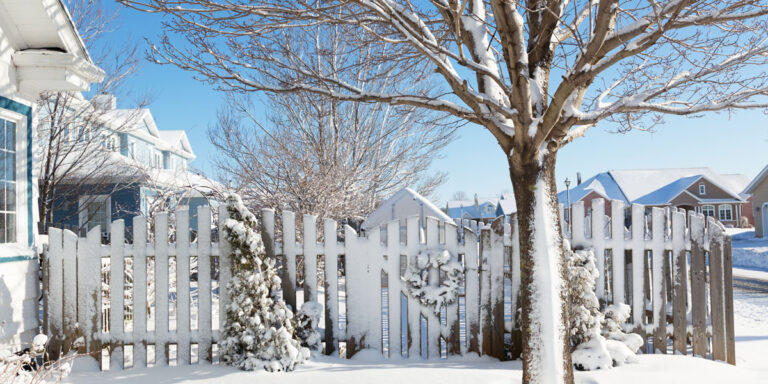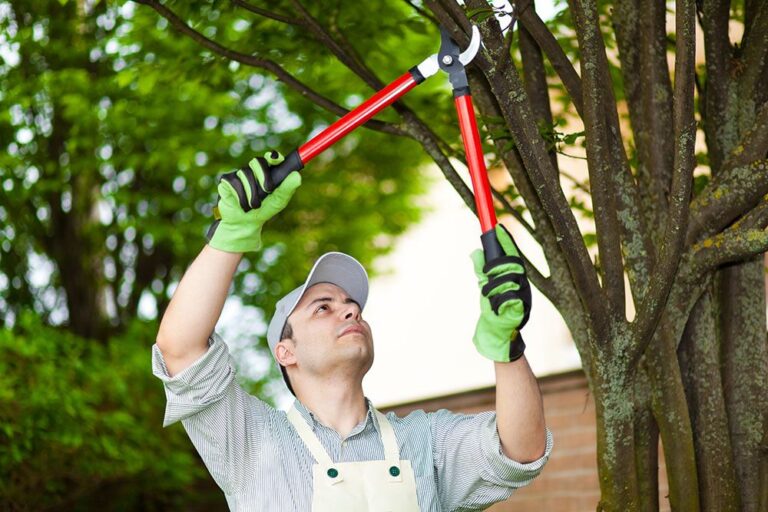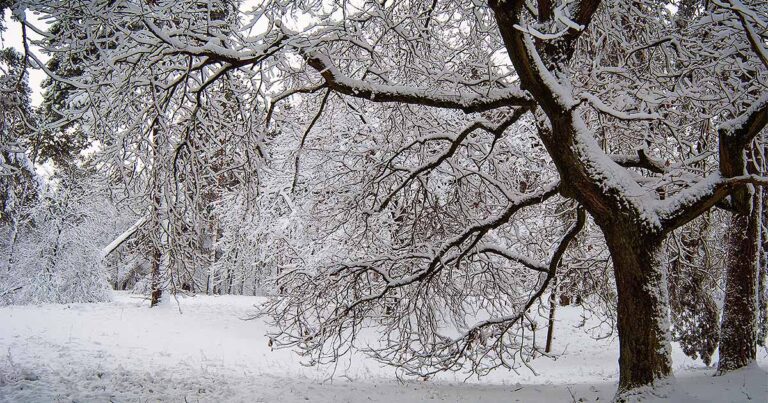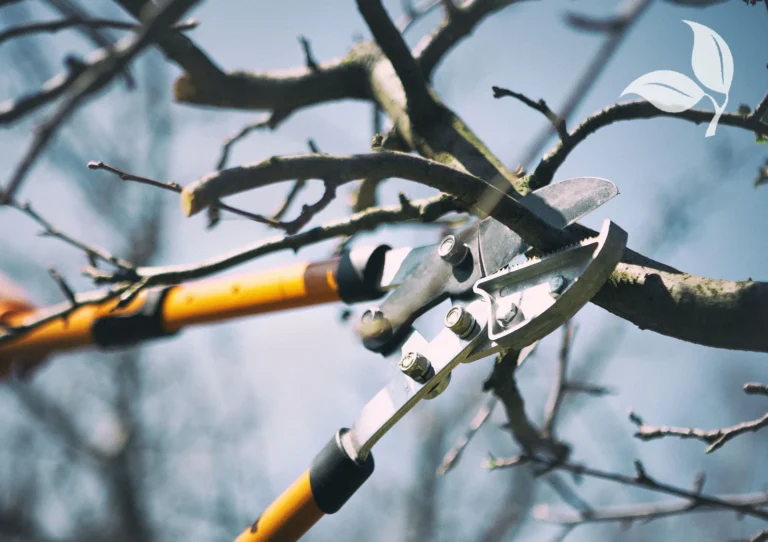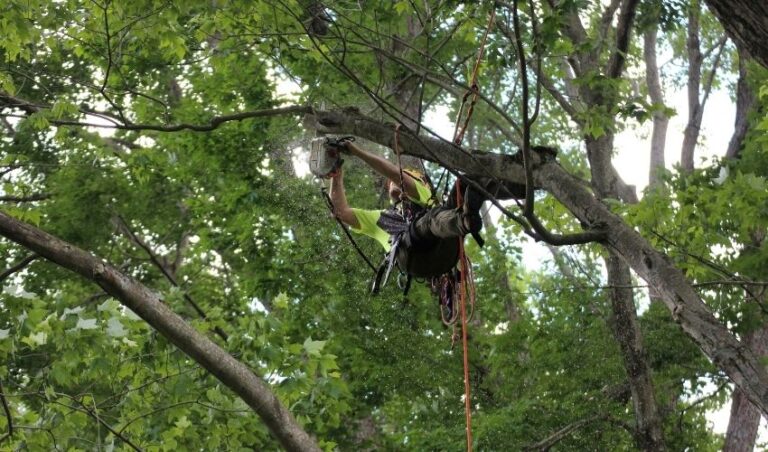
Pruning isn’t just cosmetic. Done correctly, it shapes tree structure, reduces hazard potential, and supports long-term health. Winter—when many trees are dormant—is one of the most practical times to prune in New Jersey because canopies are easier to assess, job sites are cleaner without dense foliage, and it’s simpler to identify deadwood and structural flaws. For homeowners, the key is understanding what winter pruning is good for, and what it is not.
What dormant-season pruning is best at
Winter pruning is especially effective for structural and risk-focused work. With leaves off, you can see the architecture of the tree: branch spacing, competing leaders, included bark unions, and limbs that are rubbing or crossing.
Common winter pruning objectives include:
- Removing dead or damaged limbs before they fail
- Improving structure by addressing weak unions and poor limb spacing
- Raising canopies for clearance over driveways and walkways
- Reducing overextension on heavy lateral branches (when appropriate)
- Cutting back limbs that are too close to roofs or gutters
For many shade trees, winter is also when you can plan for how the canopy will behave in spring winds and summer storms.
What to avoid: pruning decisions that backfire
Not every pruning idea is a good one, regardless of season. Homeowners often run into trouble by making large, unplanned cuts or “topping” trees to reduce height quickly. Topping can create rapid, weak regrowth and increase future hazard.
Other mistakes to avoid:
- Over-thinning: Removing too much canopy can stress the tree and reduce energy reserves.
- Improper cuts: Flush cuts or leaving large stubs can slow healing and invite decay.
- Random limb removal: Taking off branches without a structural plan can shift weight to weaker attachments.
- Ladder pruning near utilities: This is a safety issue and should be left to trained professionals.
Winter visibility makes it tempting to cut more than necessary. The best pruning is purposeful, selective, and tied to long-term structure.
How to think about “tree health” pruning vs. “tree safety” pruning
These are related, but not the same. Health pruning focuses on reducing disease pressure and improving tree vigor (removing dead, diseased, crossing branches). Safety pruning prioritizes load management and target mitigation (removing or reducing limbs likely to fail over high-value areas).
In practice, a good pruning plan does both:
- Start with deadwood and obvious defects
- Identify high-risk limbs over structures and traffic areas
- Improve structure where you can, without excessive canopy loss
- Leave the tree balanced so wind loads are distributed sensibly
Why winter is a smart time to schedule tree work
From a homeowner standpoint, winter pruning often means less landscaping disruption, easier access for crews, and faster identification of problem limbs. It also positions your property for spring: fewer hanging hazards after snow events, better clearance for gutters and roofs, and a stronger structure before summer storms.
If you’re unsure which trees should be prioritized, focus on those closest to “targets” first: the trees that could hit a roof, vehicle, fence line, or service line if something fails. A targeted winter pruning plan improves safety now and reduces costly emergency work later—while setting your trees up to grow cleaner and stronger when the season turns.