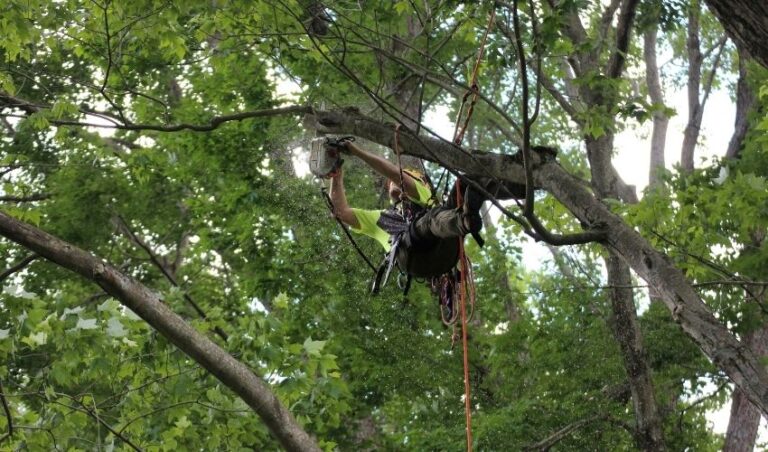
When warmer weather hits, a lot of property owners in Hunterdon County want to “clean everything up.” Pruning is part of that—but spring pruning can either help your trees thrive or accidentally stress them, depending on what you prune and when.
The big idea: pruning is strategy, not just cleanup
Good pruning improves:
- Safety (removing hazardous limbs)
- Structure (stronger branch spacing and unions)
- Health (less disease risk, better airflow)
- Appearance (balanced canopy, better growth direction)
Bad pruning can trigger:
- Excessive sprouting (weak new growth)
- Wounds that invite pests/disease
- Stress that reduces vigor all season
What’s generally smart to prune in early spring
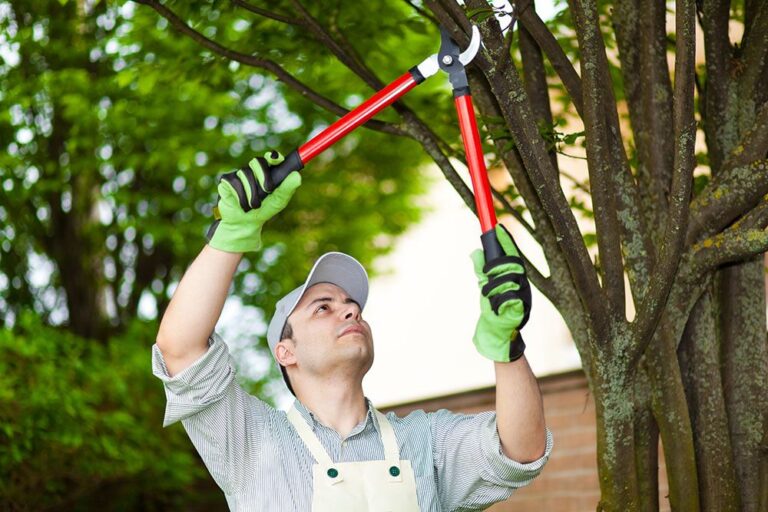
- Dead, broken, or hanging limbs (priority #1)
- Branches rubbing/crossing (prevents wounds)
- Low-hanging limbs over walkways/driveways
- Storm-damaged limbs that weakened over winter
What to be careful with in spring
- Heavy pruning on stressed trees (thin canopies, poor buds, recent root damage)
- Over-pruning flowering trees if you care about blooms
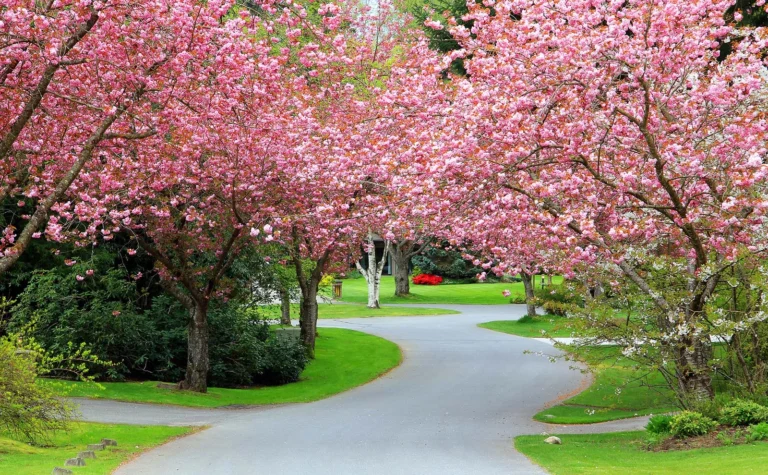
Many ornamentals form buds last season—prune too aggressively now and you’ll cut your flowers off.
“Topping” and aggressive cuts: still a no
If you see a tree that looks “flat” across the top, that’s topping—an outdated practice that creates weak regrowth and future hazard. Proper pruning uses targeted cuts that respect the tree’s natural structure.
Why professional pruning pays off
A clean cut in the right place heals better, prevents decay, and guides growth. A cut in the wrong place can create chronic rot and long-term structural weakness. The difference isn’t cosmetic—it’s safety and longevity.
Want your trees cleaner and safer before summer growth explodes? We can recommend the right pruning plan for each tree—hazard reduction, canopy shaping, and long-term structure.