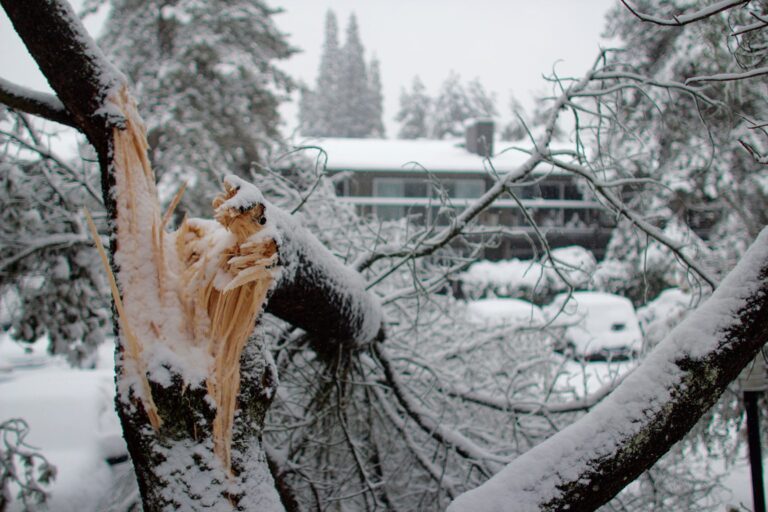
Spring is when your landscape wakes up—and it’s also when many tree problems become visible. In Hunterdon County, winter can leave behind hidden damage: cracked limbs, weakened unions, and stress that won’t show until the first warm weeks. A smart spring plan focuses on safety first, then long-term health and curb appeal.
Start with a post-winter tree check
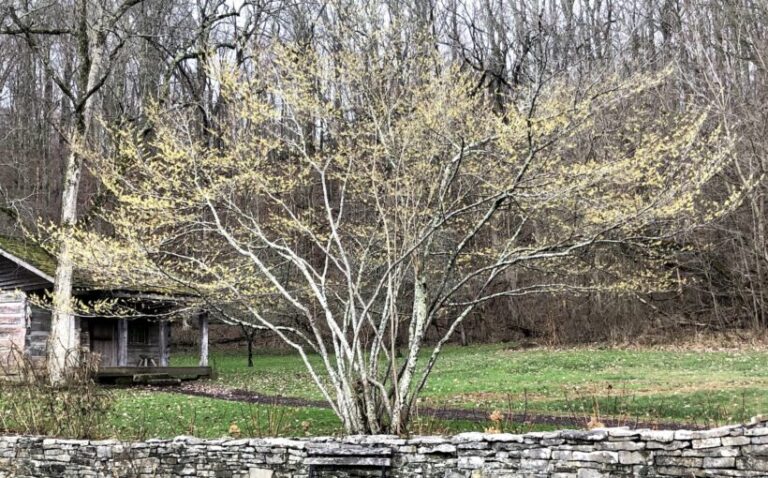
Before you mow, mulch, or plant, walk your property and look up. Winter storms and freeze-thaw cycles can create issues that don’t announce themselves until growth begins.
Look for:
- hanging or cracked limbs (especially over driveways and walkways)
- splits at major branch unions
- deadwood that didn’t bud out as expected
- new leaning or disturbed soil around the base (possible root issues)
If a limb can reach your roof, car, power line, or primary walkway, it’s a priority.
Spring pruning: do it with purpose
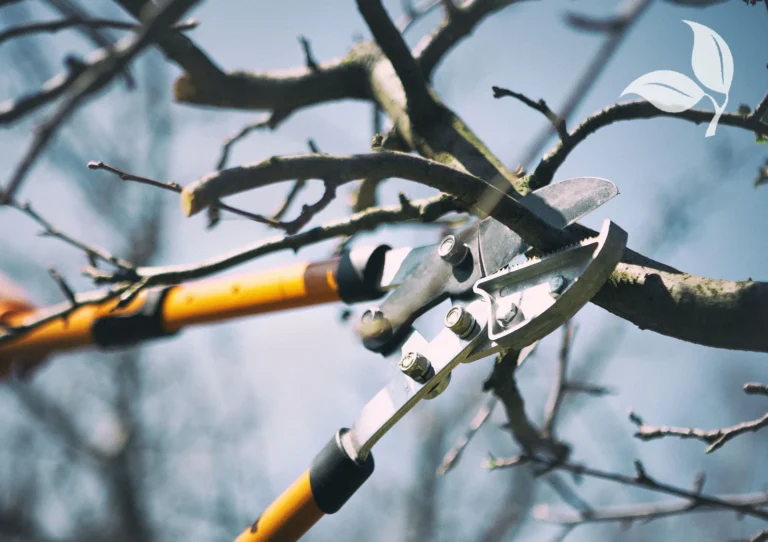
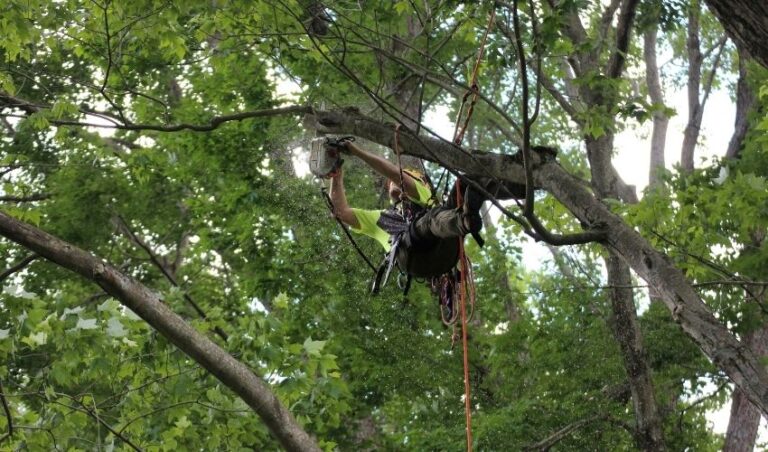
Spring pruning isn’t about “shaping everything.” It’s about risk reduction and setting trees up for healthy growth. The best pruning removes what the tree can’t support and reduces future failure points.
High-value targets:
- dead, broken, or rubbing branches
- overextended limbs creating end weight
- branches encroaching on roofs, gutters, and service lines
- low limbs interfering with mowing and foot traffic
Avoid aggressive topping or over-thinning. It often creates weak regrowth and more risk later.
Mulch and soil: small changes, big health impact
Warm weather stress starts with roots. Spring is an ideal time to improve soil conditions and protect the root zone.
Best practices:
- Apply mulch in a 2–3 inch layer, not a volcano mound
- Keep mulch off the trunk flare
- Expand the mulched area outward if possible—roots extend far beyond the canopy drip line
- Minimize soil compaction around mature trees (heavy equipment, repeated foot traffic)
Healthy roots mean better drought tolerance and fewer pest/disease problems later in summer.
Plan now for summer storms
New Jersey summers bring wind and heavy rain. Spring is your window to reduce storm damage risk:
- address structural issues (co-dominant stems, weak unions)
- reduce canopy hazards near structures
- remove deadwood before it comes down on its own
A proactive prune in spring is often cheaper and safer than emergency removal in July.
The best spring outcome
A well-prepped property enters summer with fewer hazards, healthier growth, and a landscape that looks cared-for—without needing constant reactive fixes.