Winter Tree Risk: What Hunterdon County Homeowners Should Check Before the Next Storm
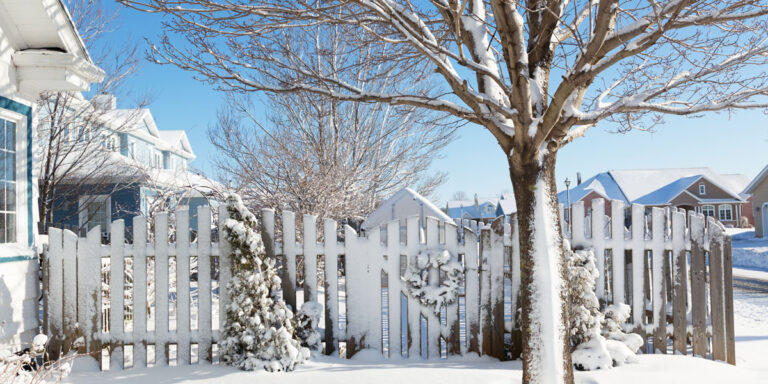
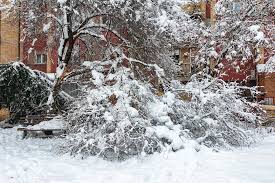
Winter in Northwest New Jersey has a way of exposing weaknesses fast. A tree that “looked fine” in July can become a serious liability once the canopy is bare, winds pick up, and snow or ice loads start stressing limbs. The good news is that winter is also one of the best times to evaluate risk because defects are easier to see and proactive work can often be scheduled before the next major weather event.
Riverside Tree Experts serves residential and commercial customers across Northwest NJ (and surrounding areas, including Bucks County, PA) as a licensed and insured tree company. Their crews operate under safety protocols developed by a Certified Treecare Safety Professional (CTSP), and they employ an ISA Certified Arborist—credentials that matter when winter conditions raise the stakes.
Why winter is prime time for a tree assessment
In winter, trees are visually “honest.” Without leaves, you can see structure, crossing limbs, deadwood, and previous storm damage more clearly. This is especially helpful for identifying hazards that may threaten roofs, driveways, fences, and power lines.
Winter assessments are also practical from a property-protection standpoint. Frozen ground can reduce lawn impact during removals or heavy equipment access (conditions vary by site), and addressing problems proactively reduces the chance you’ll need an urgent response after a storm. Riverside Tree Experts offers emergency services for fallen trees and dangerous limbs, but the smartest outcome is preventing the emergency in the first place.
Three common winter hazards we see in Hunterdon County
Dead or declining limbs (“widowmakers”). Limbs weakened by decay or prior damage can fail under wind or ice load. If you notice branches without buds, peeling bark, or obvious dieback, winter is not the time to wait-and-see.
Co-dominant stems and weak unions. Trees with two or more main leaders can split under load, especially where the union forms a tight “V” shape. Riverside Tree Experts provides cabling and bracing as part of their maintenance services—often a strong solution when the tree has value but needs structural support.
Hidden storm damage from previous seasons. A summer storm can create cracks that don’t fully fail until winter stress arrives. Look for fresh splits, lifted soil around the base (a sign of root plate movement), or a tree that suddenly leans more than it used to.
If you’re unsure, that uncertainty is the point of a professional evaluation. Riverside Tree Experts’ ISA Certified Arborist can assess tree health and recommend pruning, support, or removal based on risk—not guesswork.
Proactive work that pays off all season
Winter is an excellent time to prioritize three categories of work:
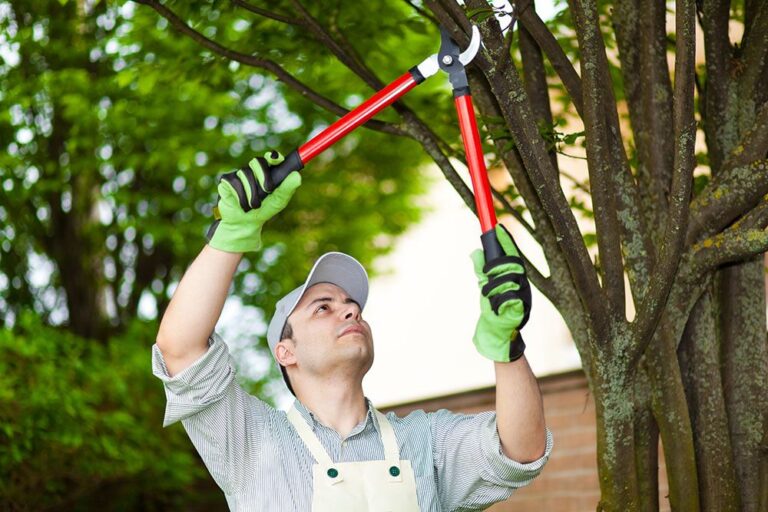
Targeted pruning. Removing deadwood and reducing end-weight on overextended limbs lowers failure risk, improves clearance, and sets the tree up for healthier spring growth.
Stump grinding and brush removal. Winter is a good time to clean up leftover stumps and debris so your property is safer now and ready for spring projects later. Riverside Tree Experts offers stump grinding (below ground level) and brush removal for overgrowth and debris—services that help restore usable space and reduce hazards.
Safe access for difficult trees. Some properties require specialized equipment to reach tall or compromised trees safely. Riverside Tree Experts provides lift services designed for high-reach access, supporting safer, faster, and more controlled work.
If your trees are close to structures, if you’ve noticed deadwood, or if you simply want peace of mind before the next round of winter weather, the best time to act is before the forecast turns. Riverside Tree Experts can assess your property and recommend the right path—maintenance, support, or removal—with safety-first execution. To schedule service, you can reach them at (908) 894-3229 or info@riversidetreeexpertsnj.com.